
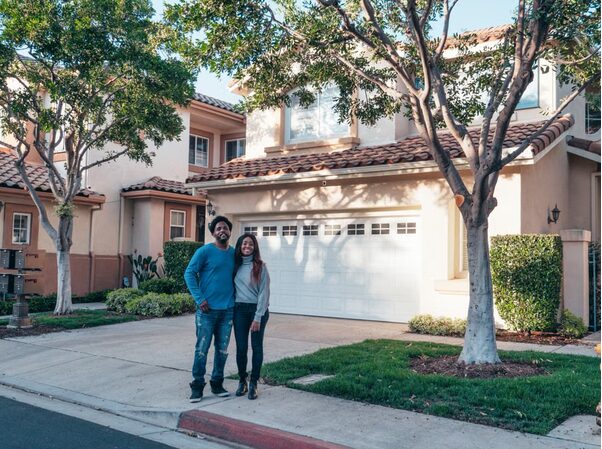
Designing a Home That Grows With Your Family
A home is never truly finished. As families grow and change, the way we use our spaces changes too. A room that starts as a nursery may later become a study area, a creative space, or a guest room. A quiet corner may transform into a homework station or a place to relax after a busy day. Designing a home that grows with your family means creating spaces that are flexible, functional, and ready to adapt to different seasons of life. Instead of designing only for today, thoughtful choices can help your home support your family for years to come.
Think Beyond Your Current Needs
When designing a home, it is easy to focus only on what your family needs right now. While current needs are important, it is also helpful to imagine how your lifestyle may change in the future. Young children become teenagers, hobbies evolve, and family routines shift over time. Choosing layouts, furniture, and storage solutions with flexibility in mind allows your home to remain useful even as your circumstances change.
Create Multi-Purpose Spaces

One of the best ways to future-proof a home is by creating rooms that can serve multiple purposes. A spare bedroom can double as a home office, a playroom can become a study space, and an open living area can accommodate different activities throughout the day. Flexible spaces allow families to make the most of their square footage without constantly needing major renovations. The ability to easily change how a room is used can make a home feel more practical and comfortable.
Prioritize Smart Storage Solutions
Storage becomes increasingly important as families grow. Toys, school supplies, sports equipment, hobbies, and personal belongings can quickly fill a home without a thoughtful organization system. Built-in shelves, hidden storage, and adaptable furniture can help keep spaces functional and organized. Good storage design supports togetherness as much as individual needs. Spaces designed for connection, such as comfortable living areas, shared kitchens, and welcoming dining spaces, create opportunities for families to spend time together. More than reducing clutter, it creates a calmer environment where everyone has room to enjoy daily life.
Design Spaces That Encourage Connection
A family home should support togetherness as much as individual needs. Spaces designed for connection, such as comfortable living areas, shared kitchens, and welcoming dining spaces, create opportunities for families to spend time together. As children grow and schedules become busier, having areas that naturally bring people together can help maintain strong relationships. A well-designed home encourages conversations, shared experiences, and meaningful moments.
Allow Room for Independence
As children grow older, their need for personal space increases. A home that adapts to changing family dynamics should include areas where everyone can have privacy and independence. This might mean creating quiet corners for reading, study areas for focused work, or flexible bedrooms that can change as interests develop. Supporting both connection and independence helps every family member feel comfortable at home.
Choose Timeless Design Elements
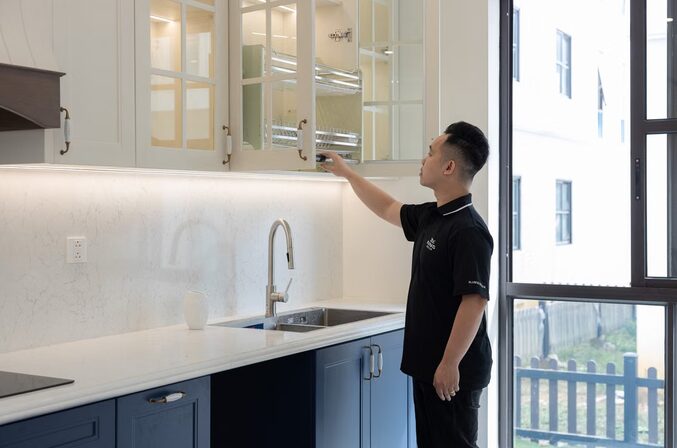
Trends come and go, but certain design choices remain useful for many years. Neutral colors, quality materials, and classic layouts can provide a strong foundation that adapts to changing styles. Instead of designing around a short-term trend, focus on elements that reflect your family’s personality and can evolve over time. Timeless design makes it easier to refresh a space without completely starting over.
Make Accessibility Part of the Plan
A home designed to grow with a family should also consider changing physical needs. Wider pathways, comfortable layouts, and practical features can make a home easier to use for people of different ages and abilities. Thinking about accessibility early can create a more welcoming environment for everyone, from young children to older family members and guests.
Let Your Home Tell Your Family’s Story
The most meaningful homes are not just visually appealing—they reflect the people who live inside them. Family photos, artwork, collected memories, and personal touches help create a sense of belonging. As your family changes, your home can continue to tell your story through the objects and spaces that hold special meaning. A flexible home is not just about function; it is about creating a place where memories can grow.
Designing a home that grows with your family is about planning for change while creating comfort in the present. Flexible spaces, smart storage, thoughtful layouts, and personal touches can help a home adapt through every stage of life. The best family homes are not perfect or frozen in time—they evolve with the people who live there. When designed with the future in mind, a home becomes more than a place to live; it becomes a foundation for years of shared experiences and memories.…